


Portable ramps are among the most practical, affordable, and effective tools for making everyday environments safer and more accessible. They provide a convenient solution whether helping a loved one in a wheelchair, moving heavy equipment, or ensuring compliance with disability access standards.
Their lightweight design, versatility, and adaptability make everyday applications more seamless and convenient.
Learn more below about how portable ramps improve everyday life.
What Are Portable Ramps?
Portable ramps are movable and easy to carry ramps. They help people overcome steps, kerbs, thresholds, and other barriers. Unlike permanent ramps, they can be folded, stored, and transported to multiple locations.
3 Ways Portable Ramps Improve Everyday Life
Portable ramps improve everyday life with innovative safety features, practical designs and convenient installations.
1. Safety Components
Portable ramps have innovative safety features including non-slip surfaces, raised guards and durable load-bearing. These features make daily activities safer and provide more peace of mind when getting around.
- Non-slip surfaces: Ramp floors have non-slip coatings or materials to improve grip for wheels, walking and canes. They can prevent slips and falls on uneven ground and in wet weather.
- Raised Sides: Raised edges or side rails along the ramp guide wheels and prevent them from sliding off. They provide peace of mind when using the ramp without assistance or on a slope.
- Durable load-bearing: Portable ramps have rigid surfaces and rails for safely supporting wheelchairs and users. They offer more reassurance and confidence for getting around and doing daily tasks.
2. Practical Designs
Portable ramps have foldable parts, lightweight materials and adjustable lengths to improve their functionality. These features make portable ramps practical and easy to use, and improve everyday applications.
- Foldable parts: Hinges and telescoping sections allow you to fold your ramp and conveniently store it in your car and home. You can quickly unfold and set it up when required.
- Lightweight materials: Portable ramps are manufactured with lightweight materials like aluminium for convenient carrying. It also allows you to move or position ramps easily, preventing strenuous or tedious work.
- Adjustable: Ramps with extendable parts help you adjust them to different heights and lengths. This feature can make it easy to tailor ramps for different environments and settings.
3. Convenient Installation
Portable ramps require little to no installation. They improve convenience and ease for families supporting elderly relatives or individuals with mobility challenges.
Types of Portable Ramps
Different situations call for various types of ramps.
- Folding ramps: These ramps fold in half for compact storage. They are excellent for homes, cars and travel.
- Telescopic ramps: Extendable rails that slide in/out and improve wheelchair access to vehicles.
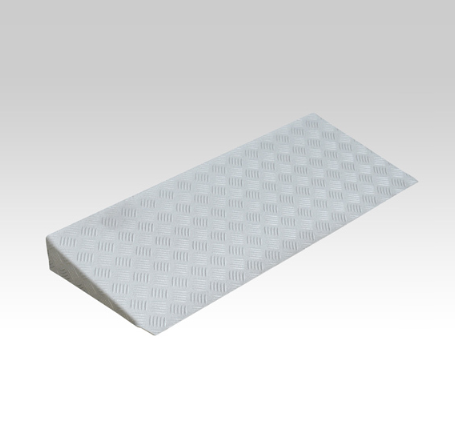
- Threshold ramps: Small, wedge-style ramps are ideal for door frames and kerbs.
- Roll-up ramps: Flexible ramps with roll-up features. These ramps are great for temporary access and travel.
- Modular portable ramps: These have sections connecting to form larger ramps. They are typically used at events, workplaces, and schools.
Applications of Portable Ramps
Here are some portable ramp applications.
- Residential use: Elderly homeowners often use threshold ramps to access verandas or navigate small steps indoors.
- Commercial use: Cafés and retail stores deploy portable ramps at entrances to meet accessibility standards.
- Healthcare facilities: Hospitals and aged care centres use portable ramps for temporary or flexible accessibility solutions.
- Transport: Wheelchair users rely on telescopic ramps to access cars, vans, or buses.
- Events: Portable ramps are widely used in outdoor events, exhibitions, and festivals to ensure inclusive participation.
Portable Ramps vs. Permanent Ramps
Here’s a side-by-side comparison of portable and permanent ramps.
| Feature | Portable Ramps | Permanent Ramps |
| Installation | No structural work | Requires construction |
| Cost | Lower upfront cost | Higher due to labour & materials |
| Flexibility | Moveable, temporary | Fixed in place |
| Compliance | Meets temporary needs | Full compliance for public facilities |
| Best Use Case | Homes, vehicles, events | Businesses, public buildings |
FAQs About Portable Ramps
Here are some answers to frequently asked questions about portable ramps.
- Are portable ramps safe to use on all surfaces? Portable ramps can be safe for use on various surfaces when placed securely on a stable surface. Always check the ramp’s non-slip features and weight capacity.
- Can portable ramps be used for vehicles? Telescopic and folding ramps are commonly used for cars, vans, and buses.
- How much weight can a portable ramp support? The weight capacity depends on the ramp type, but many support between 250 and 400 kg. Always check manufacturer specifications.
- Do portable ramps meet Australian standards? High-quality ramps are designed to meet AS/NZS accessibility standards. Ensure compliance before purchasing.
Choose ARA Solutions for Customised Portable Ramps
Sometimes, a one-size-fits-all solution doesn’t work. That’s where customised ramp solutions come in. ARA Solutions specialises in designing ramps tailored to specific spaces and user needs.
If you’re looking for high-quality, safe, and reliable accessibility solutions, explore our customised ramp solutions online today.